


UV curing technology advances trenchless sewer rehabilitation efficiency
(UI) — Trenchless sewer rehabilitation continues to gain traction as cities seek faster, more sustainable ways to repair aging wastewater systems. Among the newest advances transforming the process is ultraviolet (UV) light curing, a technology improving speed, safety, and environmental performance in pipe repair projects.
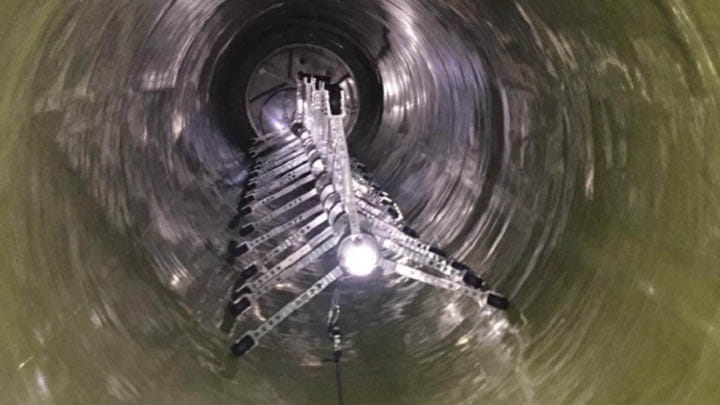
UV curing systems use advanced lighting equipment to harden liners without excavation, minimizing surface disruption and project downtime. “Modern UV curing systems ensure that repair materials are cured evenly and thoroughly, minimizing inconsistencies common in traditional methods,” the article noted. Integrated camera systems also allow for preliminary inspections and defect detection before curing begins, reducing the risk of costly rework.
Compared with steam curing, UV curing can cut project times dramatically and reduce energy use. Operating at lower temperatures protects both rehabilitated pipes and adjacent infrastructure, while also lowering emissions and overall project costs.
The flexibility of UV curing equipment is another advantage. Modular designs allow operators to adjust light chains or cores to suit varying pipe diameters and configurations. Compact, mobile systems can be used in tight urban corridors or remote locations, offering more versatility than bulky steam-curing setups.
Safety is also a major improvement. UV systems eliminate the high-pressure, high-heat risks associated with steam curing, creating a safer work environment for crews.
From an environmental standpoint, UV curing produces no wastewater or steam emissions, making it a cleaner and more sustainable method for pipeline rehabilitation. The resulting pipe linings are durable, consistent, and longer-lasting—helping utilities cut maintenance costs over time.
Recent innovations are further advancing UV technology. New systems feature built-in documentation tools that pair curing data with live video footage, providing transparency and quality assurance. Remote diagnostics and Wi-Fi-enabled performance monitoring improve reliability and simplify maintenance.
As infrastructure demands grow, experts expect UV curing adoption to expand nationwide, supported by trends toward automation, data-driven maintenance, and energy efficiency.
Related News
From Archive

- Glenfarne Alaska LNG targets late-2026 construction start for 807-mile pipeline project
- U.S. water reuse boom to fuel $47 billion in infrastructure spending through 2035
- $2.3 billion approved to construct 236-mile Texas-to-Gulf gas pipeline
- Major water pipe break in Puerto Rico hits over 165,000 customers
- Potomac River Tunnel project enters construction phase beneath Washington, D.C.
- Pennsylvania American Water launches interactive map to identify, replace lead water service lines
- Trump's tariffs drive $33 million cost increase for Cincinnati sewer project
- Utah city launches historic $70 million tunnel project using box jacking under active rail line
- Tulsa residents warned after sewer lines damaged by boring work
- Fatal trench collapse halts sewer construction in Massachusetts; two workers hospitalized
Comments