


Earthworm-driven wastewater system restores compliance at Washington plant
(UI) - The City of Walla Walla, Washington, has adopted an unconventional but increasingly promising wastewater treatment method—vermifiltration—to address high-strength wastewater and persistent contaminants at its municipal treatment plant. The system uses earthworms and microbial ecosystems to break down organic matter and support chemical remediation, offering a low-energy, nature-based alternative to traditional treatment technologies.
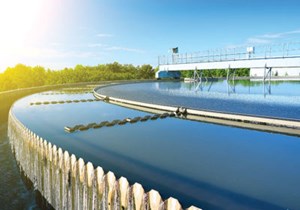
City officials report that the vermifiltration installation has delivered significant improvements in removing BOD, TSS and other hard-to-treat pollutants. The approach also helped the facility return to regulatory compliance after previous technologies failed to meet discharge requirements. Because the system relies on gravity flow and minimal mechanical components, it also reduces energy use, chemical reliance and overall operating costs.
The process is designed by Washington-based Perca Inc., whose Vermitech Innovation Center continues to refine vermifiltration technologies for municipal and industrial applications. The system also generates nutrient-rich biomass that can be repurposed for agricultural and landscaping use.
Perca’s Chief Science Officer, Dr. George Damoff, said the results highlight the potential of eco-engineering as wastewater regulations increasingly target persistent and emerging contaminants. “Our vermifiltration system offers a nature-based, cost-effective, and scalable alternative — one that not only cleans water but regenerates ecosystems,” he said.
The Walla Walla project adds to growing interest in nature-based treatment systems as utilities look for low-energy, resilient approaches to modern wastewater challenges.
Related News
From Archive

- Glenfarne Alaska LNG targets late-2026 construction start for 807-mile pipeline project
- U.S. water reuse boom to fuel $47 billion in infrastructure spending through 2035
- $2.3 billion approved to construct 236-mile Texas-to-Gulf gas pipeline
- Major water pipe break in Puerto Rico hits over 165,000 customers
- Potomac River Tunnel project enters construction phase beneath Washington, D.C.
- Pennsylvania American Water launches interactive map to identify, replace lead water service lines
- Trump's tariffs drive $33 million cost increase for Cincinnati sewer project
- Utah city launches historic $70 million tunnel project using box jacking under active rail line
- Tulsa residents warned after sewer lines damaged by boring work
- Fatal trench collapse halts sewer construction in Massachusetts; two workers hospitalized
Comments