


Presidential Hopefuls Flock to Flint for Environmental Messages
(UC) – Flint, Michigan became a destination city during the 2016 presidential election for candidates to deliver messages about the environment, water quality and urban policy. That trend has continued as the 2020 election closes in.
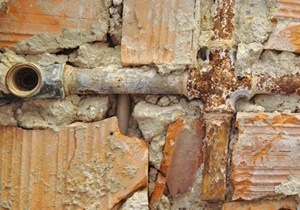
U.S. Sen. Kirsten Gillibrand visited Flint last week, and former U.S. Secretary of Housing and Urban Development Julian Castro visited in June, while other candidates have kept Flint visible through comments on the Senate floor, television ads and social media.
"Nearly all of the Democratic candidates for president have addressed Flint in some fashion, either through congressional speeches, social media mentions or actual visits to the city that has become the poster child for government failure," the Detroit Free Press reported.
Flint residents and officials, however, said they want to make sure that the city’s public health crisis, caused by lead contamination in the city’s water system, isn’t just a convenient backdrop for ambitious politicians.
"We especially want presidential candidates to have Flint on their radar because everything isn’t fixed here yet," Catrina Tillman of Flint's First Trinity Missionary Baptist Church told the Free Press. "But we don't want to just be a talking point. People want to hear some actual plans."
Public awareness of the Flint water crisis coincided with the 2016 presidential campaign, making it a natural focal point for candidates. Democrats Bernie Sanders and Hillary Clinton made multiple trips and participated in a nationally televised debate in Flint, and Republican Donald Trump made a campaign stop in the city.
Multiple candidates, including Sanders, of Vermont, and Kamala Harris, of California, commented via Twitter this spring around the fifth anniversary of the Flint water crisis. Harris called the lead contamination in the city “a shocking example of government irresponsibility and systemic racism.” Sanders tweeted: “It’s absurd that we have to say this in America in 2019: When you turn on the tap in your home, whether it's in Vermont or Iowa or Flint, Michigan, you have a right to expect that the water coming out is clean.”
Related News
From Archive

- Glenfarne Alaska LNG targets late-2026 construction start for 807-mile pipeline project
- U.S. water reuse boom to fuel $47 billion in infrastructure spending through 2035
- $2.3 billion approved to construct 236-mile Texas-to-Gulf gas pipeline
- Major water pipe break in Puerto Rico hits over 165,000 customers
- Potomac River Tunnel project enters construction phase beneath Washington, D.C.
- Pennsylvania American Water launches interactive map to identify, replace lead water service lines
- Trump's tariffs drive $33 million cost increase for Cincinnati sewer project
- Utah city launches historic $70 million tunnel project using box jacking under active rail line
- Tulsa residents warned after sewer lines damaged by boring work
- Fatal trench collapse halts sewer construction in Massachusetts; two workers hospitalized
Comments